MCSO Logo
← Back to Emergency Management
🌡️

Extreme Heat & Winter Weather

Know the dangers · Stay safe · Help your neighbors

☀️ Extreme Heat

The #1 weather-related killer in the United States

🎬 Extreme Heat Safety

☀️ What Is Extreme Heat?

Extreme heat occurs when temperatures rise significantly above normal and remain elevated for an extended period. In New Jersey, this typically means temperatures 90°F or higher, especially when combined with high humidity.

Heat is the #1 weather-related killer in the U.S. — causing more deaths annually than hurricanes, lightning, tornadoes, floods, and earthquakes combined.

The Heat Index combines air temperature and humidity to determine how hot it actually feels to your body. When the Heat Index reaches 90–103°F, caution is advised. 103–124°F requires extreme caution. 125°F+ demands immediate action — heat stroke is highly likely.

⚠️ Who Is at Greatest Risk?

Heat affects everyone, but some people are significantly more vulnerable:

👴
Adults age 65 and older
👶
Infants and young children
💊
People with chronic conditions
🏗️
Outdoor workers
🏃
Athletes & active people
🏠
Those without air conditioning
🤰
Pregnant individuals
💉
People on certain medications
🐕
Pets and outdoor animals
🏥 Heat-Related Illnesses — Know the Signs

Heat illnesses range from mild to life-threatening. Recognize them early:

💪
Heat Cramps

Painful muscle spasms in legs, arms, or abdomen. Caused by salt loss through sweating. Rest in cool place, drink water with electrolytes.

🥵
Heat Exhaustion

Heavy sweating, weakness, cool/pale/clammy skin, fast/weak pulse, dizziness, nausea, fainting. Move to cool area, sip water, loosen clothing.

🚨
Heat Stroke — EMERGENCY

Body temp 103°F+, hot/red/dry skin, rapid strong pulse, confusion, possibly unconscious. Call 9-1-1 immediately. Cool body with water/ice.

😵
Heat Syncope

Sudden dizziness or fainting from standing too long or rising too quickly in heat. Sit or lie down in a cool place.

📢 Understanding NWS Heat Alerts
⚠️
Advisory
Heat Advisory
Heat Index 100–104°F for 2+ hours
Hot conditions that may cause heat illness. Limit outdoor activity, stay hydrated, check on vulnerable people.
👁️
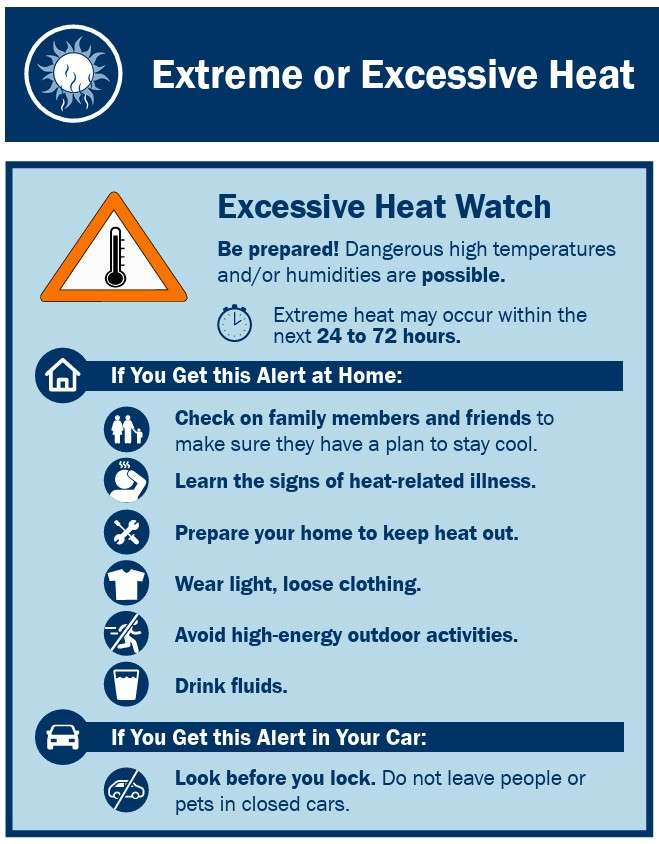
Watch
Excessive Heat Watch
Heat Index 105°F+ possible within 24–72 hours
Conditions are favorable for an excessive heat event. Prepare cooling supplies, plan to limit exposure.
🚨
Warning
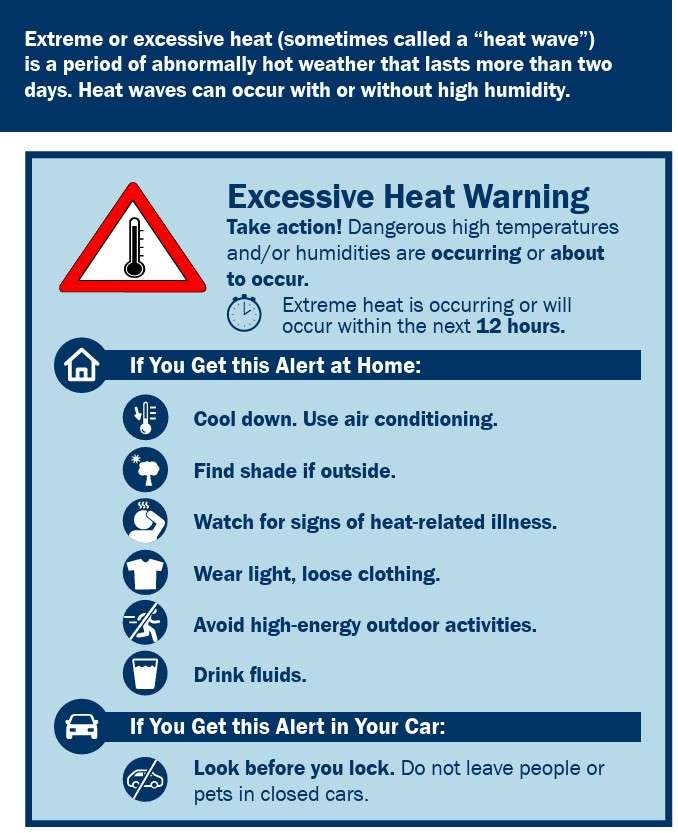
Excessive Heat Warning
Heat Index 105°F+ expected within 24 hours
Dangerous heat is imminent. Stay indoors with AC. Check on neighbors. Heat stroke is likely without precautions.
📋 Before Extreme Heat — Prepare Now
  • Service or test your air conditioning before peak summer months.
  • If you don't have AC, identify nearby cooling centers (libraries, malls, community centers).
  • Stock up on water, ice, ice packs, and electrolyte drinks.
  • Sign up for emergency alerts via the Monmouth County notification system.
  • Check on elderly neighbors and relatives — they may not realize how dangerous the heat is.
  • Plan to limit strenuous outdoor activity to early morning or evening.
  • Make sure pets have shade, fresh water, and a cool place to escape the heat.
  • Install window coverings to block sunlight during the hottest part of the day.
🚨 During Extreme Heat — Stay Safe
  • Stay in air-conditioned spaces as much as possible. If your home isn't cooled, find a public cooling center.
  • Drink plenty of water — don't wait until you're thirsty. Avoid sugary, alcoholic, and caffeinated drinks.
  • Wear lightweight, light-colored, loose-fitting clothing.
  • Never leave children, adults, or pets in parked vehicles — temperatures can become deadly within minutes.
  • Limit outdoor activity to early morning or evening hours.
  • Take cool showers or baths to lower body temperature.
  • Avoid using the stove or oven — they make your home much hotter.
  • Check on neighbors, especially elderly, those living alone, or with chronic conditions.
  • Remember: fans alone don't prevent heat illness when temperatures are above 95°F.
⚠️
Heat Alerts
Heat Advisory vs Excessive Heat Warning
🔗
Heat Resources
Official heat safety information
🛰️ NWS HeatRisk — Live
7-day heat risk forecast for your area
Open in New Tab ↗
❄️ Extreme Cold Weather

Winter storms · Frostbite · Hypothermia · Code Blue alerts

🎬 Cold Weather Safety
!
🚨 Monmouth County Alert System
Code Blue

In accordance with New Jersey Code Blue Legislation, when the National Weather Service forecasts temperatures reaching 32°F or lower, the Monmouth County Sheriff's Office of Emergency Management will issue an alert to all 53 municipalities and appropriate social services agencies.

The Code Blue Alert is also shared with local media, social media outlets, and the NJ Statewide Homeless Hotline. The Code Blue Alert is generally posted before the onset of freezing temperatures.

🏠 Individuals Seeking Shelter

The Code Blue Alert directs local authorities to make shelter or warming centers available for individuals who are homeless or unsheltered.

During business hours: Contact Monmouth County Division of Social Services

After hours: Contact NJ 211 or your local police department

❄️ What Is Extreme Cold?

Cold weather can be deadly. When temperatures fall significantly below normal — especially when combined with wind — the risk of hypothermia and frostbite increases dramatically.

In New Jersey, extreme cold typically means sustained temperatures below freezing (32°F) with wind chills well below 0°F. Winter storms can also bring heavy snow, ice, and dangerous travel conditions.

Wind Chill measures how cold it feels on exposed skin based on temperature and wind speed. A 10°F temperature with a 20 mph wind feels like -9°F — frostbite can occur in 30 minutes or less.

⚠️ Who Is at Greatest Risk?
👴
Adults age 65 and older
👶
Infants and young children
🏠
Homeless or unsheltered individuals
🔥
People without working heat
💊
People with chronic conditions
🚜
Outdoor workers
🚒
Emergency responders
🐕
Pets & outdoor animals
🏘️
Isolated individuals
🏥 Cold-Related Illnesses — Know the Signs
🚨
Hypothermia — EMERGENCY

Body temp below 95°F. Shivering, confusion, drowsiness, slow speech, exhaustion. Call 9-1-1. Move indoors, warm body slowly with blankets.

🥶
Frostbite

Skin appears white/grayish, feels firm/waxy. Most common on fingers, toes, nose, ears, cheeks. Warm gradually with warm (not hot) water. Seek medical care.

❄️
Frostnip

Mild form of frostbite. Skin becomes red and numb. Warm gradually — no permanent damage if treated promptly.

👣
Trench Foot (Immersion Foot)

From prolonged exposure to wet, cold conditions. Numb, red/blue skin. Dry feet, warm gradually, seek medical care.
📋 Before Extreme Cold — Prepare Now
  • Have your heating system inspected and serviced annually.
  • Install and test carbon monoxide detectors — heating accidents spike during cold snaps.
  • Insulate exposed pipes in attics, garages, and unheated spaces to prevent freezing.
  • Winterize your home — weatherstripping, caulking, insulation around windows and doors.
  • Stock extra heating fuel (oil, propane) before the season begins.
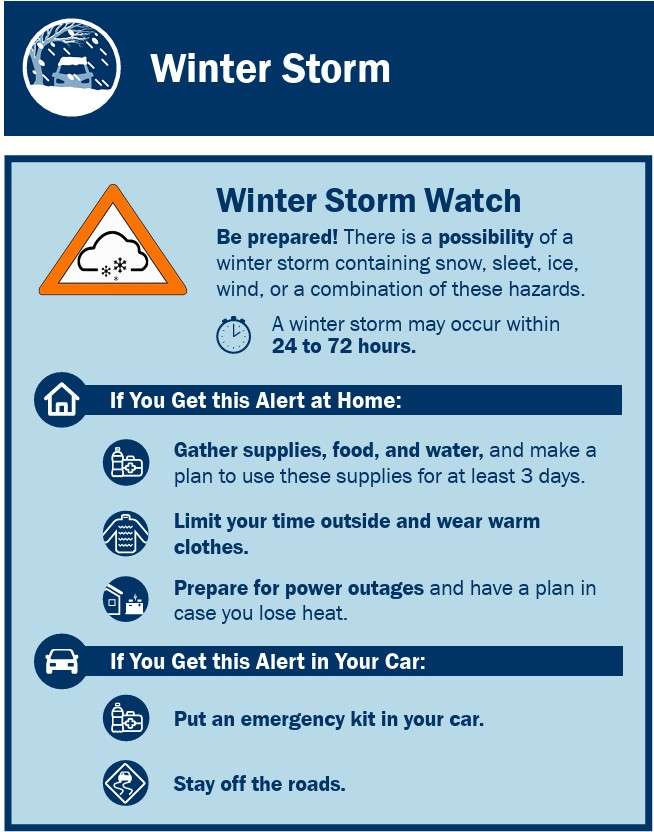
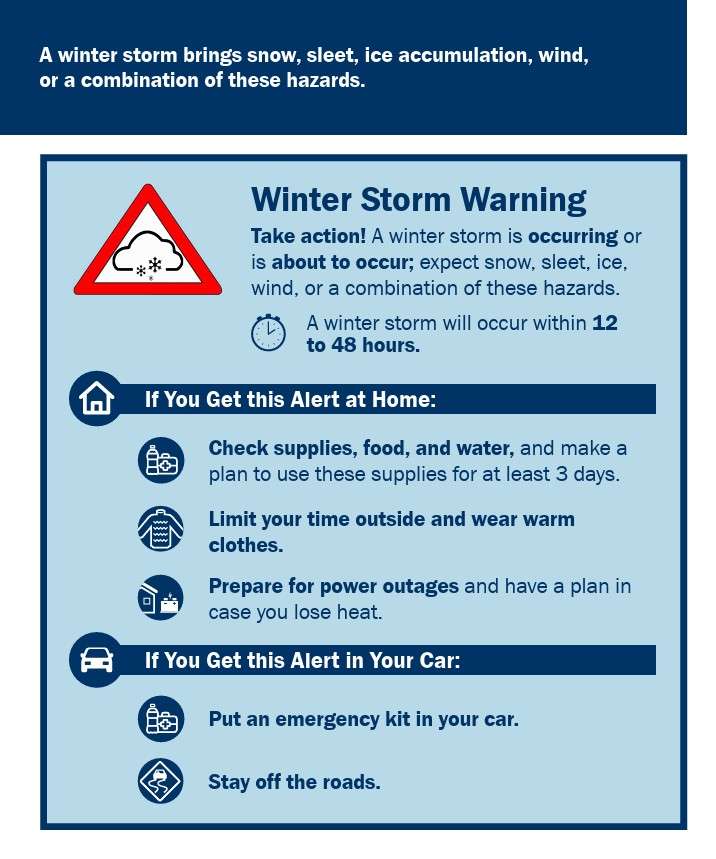
  • Prepare an emergency car kit: blankets, water, snacks, flashlight, jumper cables, ice scraper, sand/cat litter for traction.
  • Stock food, water, medications, and pet supplies in case you can't leave home.
  • Sign up for emergency alerts and know neighbors who may need help.
🚨 During Extreme Cold — Stay Safe
  • Stay indoors when possible. If you must go out, dress in layers and cover all exposed skin.
  • Wear a hat, gloves, scarf, and waterproof boots — most heat loss happens through your head and hands.
  • Keep faucets dripping slightly to prevent pipes from freezing.
  • Open cabinet doors to let warm air reach pipes under sinks.
  • Use space heaters safely — keep 3 feet from anything flammable, never leave running unattended.
  • NEVER use ovens, stoves, or grills for heat — this causes carbon monoxide poisoning.
  • If you lose heat, gather in one interior room and close it off from the rest of the house.
  • Watch for symptoms of frostbite and hypothermia in yourself and others.
  • Check on elderly neighbors, homeless individuals, and those living alone.
🌨️
Winter Storm
Watch vs Warning — heavy snow, ice, and dangerous travel
❄️
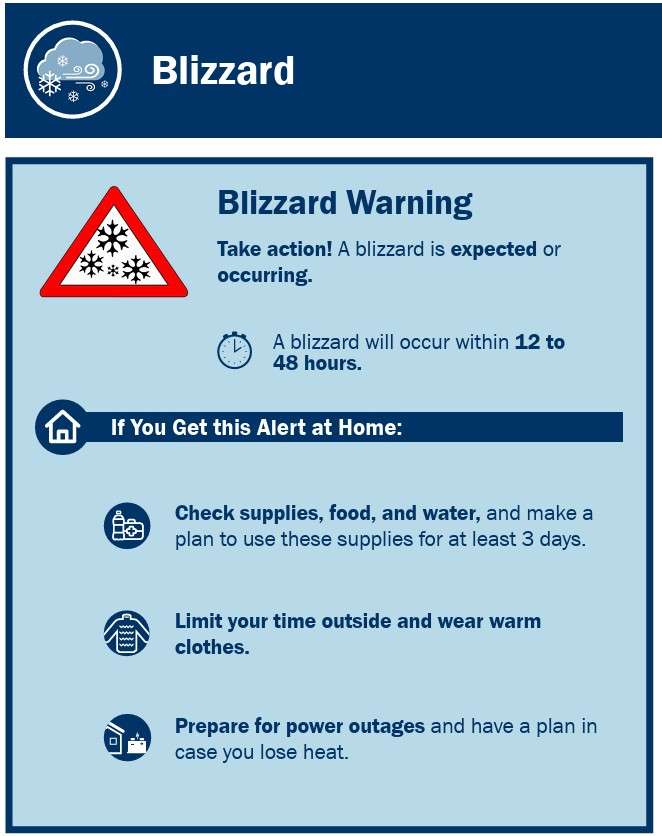
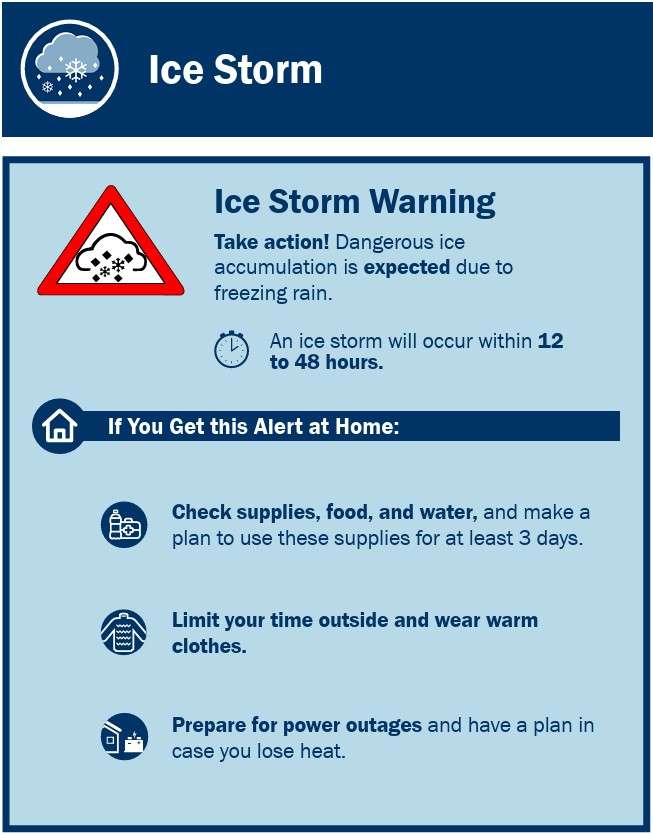
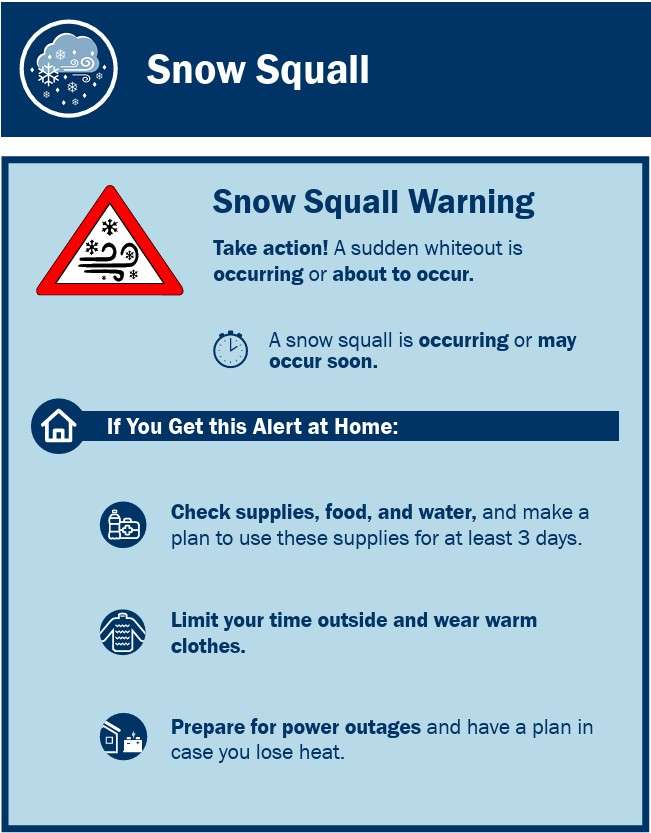
Other Winter Storm Hazards
Blizzards · Ice Storms · Snow Squalls — click any to expand
🔗
Cold Weather Resources
Official winter safety information
🛰️ Winter Storm Severity Index — Live
NWS winter storm impact forecast
Open in New Tab ↗
← Back to Emergency Management

Location & Phone Numbers

Monmouth County Sheriff's Office
2500 Kozloski Rd
Freehold, NJ 07721
Emergency
9-1-1
Non-Emergency
(732) 577-8700
Main Number
(732) 431-6400

Follow Us

Facebook X / Twitter YouTube Instagram LinkedIn

Inside MCSO

About the Sheriff Employment / Join the Team Internships Current Employees Veterans Services Contact Us

Divisions

Civil Process Communications Corrections Emergency Management EMS & Medstar Fire Safety Services Law Enforcement Police Academy ↗ Special Operations Stars Facility Technical Services

Quick Links

Inmate Search Foreclosure Sales News Releases Videos Community Programs Transparency in Policing Policy FAQs OPRA Request Form Medical Record Request
🔒
Staff Portal
Password protected — authorized personnel only
🔒 MARP 🔒 OEM Private
MCSO Logo
© 2026 Monmouth County Sheriff's Office. All Rights Reserved.
Privacy Policy Accessibility Sitemap