

Youth Program — Gang Intelligence Unit (GIU) Education & Prevention
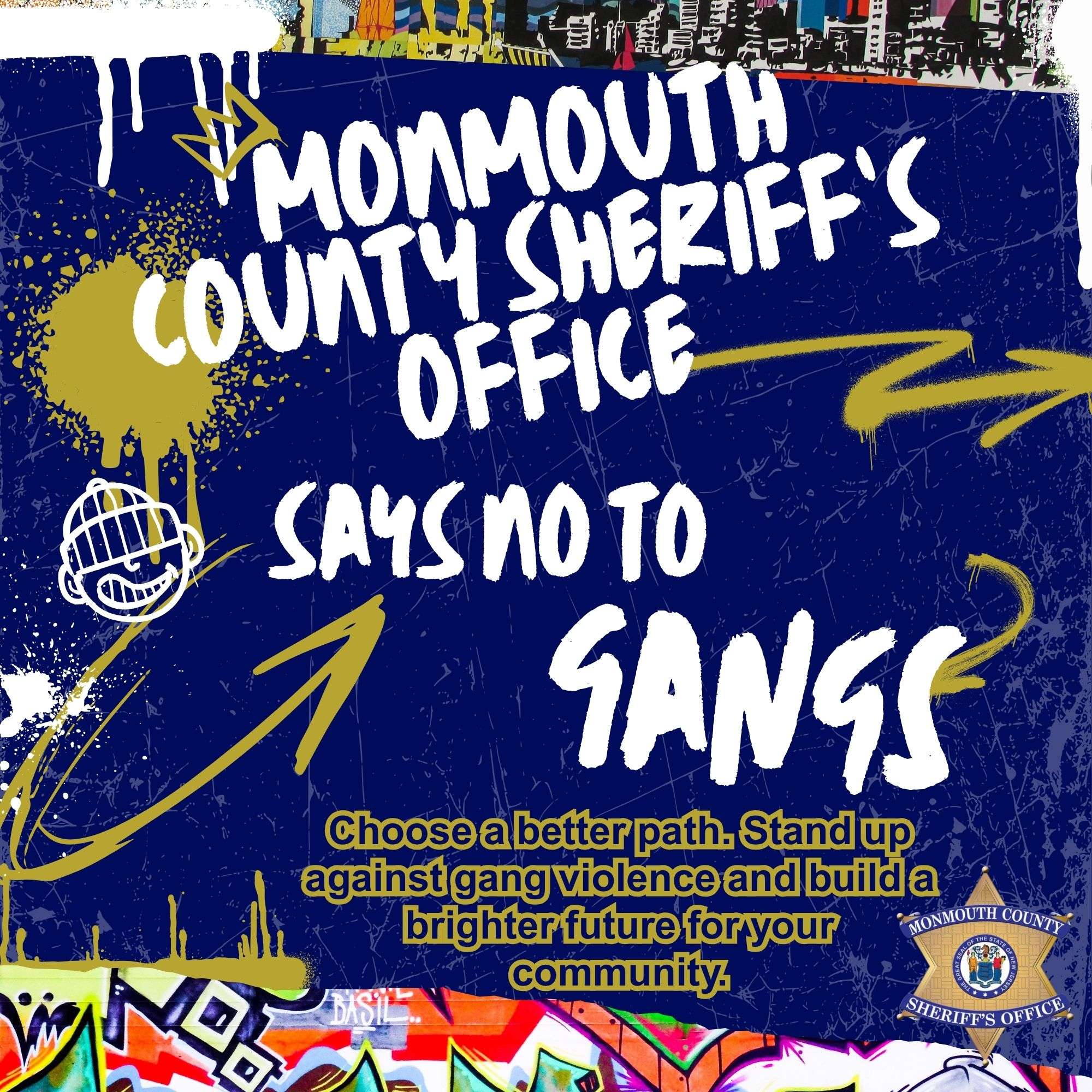
About the Gang Intelligence Unit (GIU)
The Gang Intelligence Unit (GIU), comprised of members from both the Law Enforcement Division and the Department of Corrections, identifies and tracks members of Security Threat Groups, such as Street and Prison Gangs and Non-traditional Organized Crime Groups. The Unit strives to recognize potential threats to the security and safety of our jurisdictional responsibilities.
The Unit is also called upon, from time to time, to assist federal, state, and local agencies as may be required in trying to control the threat to society presented by these groups. Additionally, the Monmouth County Sheriff's Office Gang Intelligence Unit actively trains law enforcement officers in recognizing the signs of gang activity in their particular jurisdictions, as well as the appropriate response.
The GIU is affiliated with the East Coast Gang Investigator's Association, which, in turn, is a member organization of the National Alliance of Gang Investigator's Associations.
Defining a Street Gang
A street gang is often defined as a group of young people others perceive — and perceive themselves — as a distinct group. They will often prompt a negative response from the community. Such a group is often organized, has a distinct leadership, and is involved in criminal activity.
There are various types of gangs, ranging from social or neighborhood gangs (involved only in minor community disturbances), to delinquent gangs with more frequent interaction with the police, to well-organized gangs that commit serious, violent crimes.
How Do We Know Gangs Are In Our Community?
Isolated incidents of criminal activity may not suggest gang activity. However, the following factors combined may point to the existence of gangs:
- The appearance of graffiti showing gang symbols
- Observing groups who display gang-symbolic tattoos
- Observing groups who wear the same style and/or color of clothes
- An increase in acts of vandalism
- A rise in violent crime in the area
- An increase of fighting between groups of young people
- An increase in citizen complaints concerning "gang activity"
- An increase in drug sales and use in a community
None of these warning signs, taken alone, is proof of gang activity, but all together can be indicative of possible gang activity.
What Does Gang Graffiti Mean?
Gang graffiti appears as gangs become more active and begin to define their individual territory, or turf. Graffiti is often designed to display power, send messages, and warn intruders. Most graffiti — when written upside down or crossed out — is a sign of existing rivalries and hostilities between two separate gangs.
What Are Gang Colors and Signs?
Gangs primarily use COLORS as a means of identity and to show associate membership. Colors, along with specific brands and styles of clothing worn in a specific manner, may represent membership in a particular gang. Additional indications include hairstyles, jewelry, bandanas, gang logos, sports team apparel, and clothing accessories.
HAND SIGNS and GANG SLANG are a means of communication between members of a particular gang, and even between members of rival gangs. Symbols formed with fingers, hands, and body relay information from one individual to another. Words and phrases are often used to communicate in code.
How Do Gangs Recruit Members?
Often gang members will confront young people in their neighborhood or schools, and ask them to join the gang. The individual is presented with all of the supposedly positive aspects of belonging — easy money, friends who become a new "family," and easy access to parties, alcohol, drugs and sexual activity.
Many times the gang recruiters just pester the youth into joining. In extreme cases, gang members can turn to intimidation and threats of bodily harm to force a young person to join. Once the young person has become a member, it becomes very difficult to leave — for fear of physical retaliation against the member or their family.
Why Do Young People Join Gangs?
Kids join gangs to fill a void in their lives. They find in the gangs what they cannot find in their own homes, schools, or community. The strongest incentive is just that — the need to belong.
- Gangs appear to provide protection from violence both in schools and in the neighborhood
- To gain a sense of identity and status by being accepted
- Companionship created through the sense of belonging and recognition
- Gangs provide activity and excitement — escape from boredom
- The opportunity to easily make large amounts of money through illegal activity
- Family members and friends already involved with gangs
- The gang overwhelms the neighborhood where the young person lives
What Can I, As a Parent, Do to Combat Gangs?
- Be a positive role model
- Improve communication and take seriously the responsibility of raising your children
- Take a deeper interest in your children and their activities
- Know the company your child keeps
- Monitor your child's whereabouts and activities
- Get your child involved with extracurricular activities in school and community groups
- Become aware of the signs of gang recruitment and involvement — intervene quickly
- Seek help from family, church, school administrators, and police
- Do not allow your children to wear gang clothing or styles
- Do not allow your child to "hang out" on the streets
- Be suspicious of graffiti and tattoos
- Do not allow your child to limit your access to their room
- Learn about drugs and gangs, and talk to your children about both threats
- Develop the attitude of anti-drugs and anti-gangs in your home
- Start early — the gangs do!
⚠️ GANG LIFE CAN LEAD TO A PERMANENT POSITION. HELP PREVENT GANG VIOLENCE.
Related Resources
The Monmouth County Sheriff's Office Gang Intelligence Unit