Know the dangers · Stay safe · Help your neighbors
The #1 weather-related killer in the United States
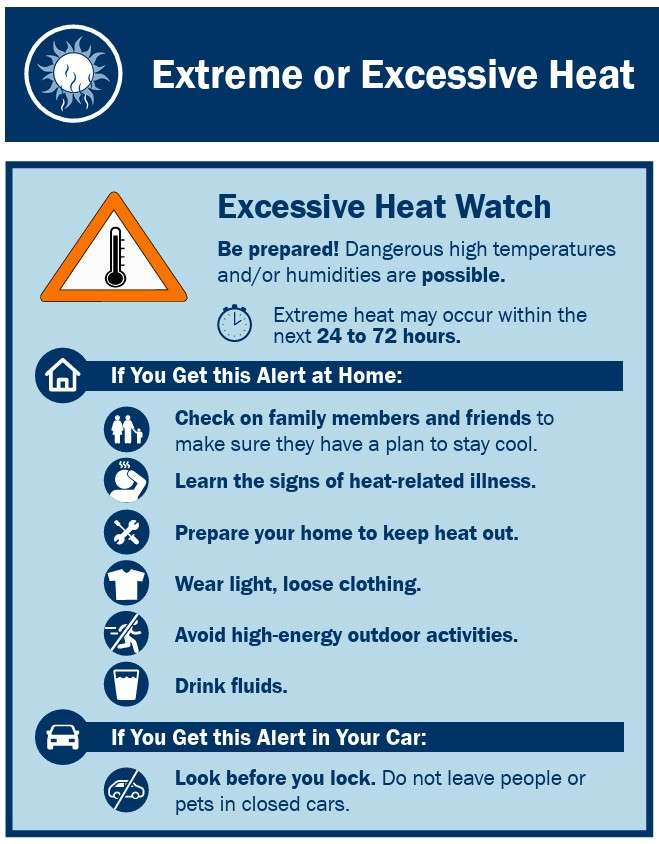
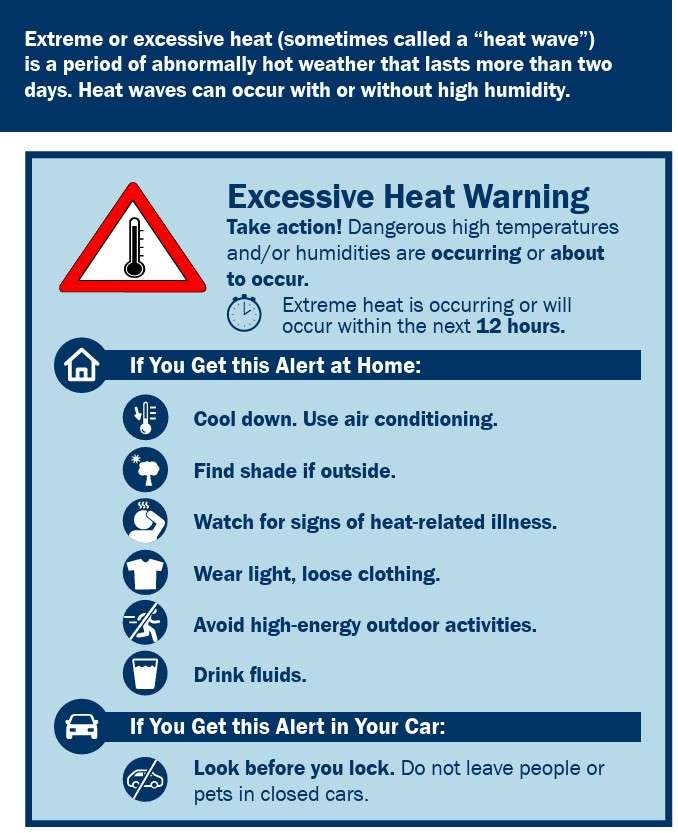
Extreme heat occurs when temperatures rise significantly above normal and remain elevated for an extended period. In New Jersey, this typically means temperatures 90°F or higher, especially when combined with high humidity.
Heat is the #1 weather-related killer in the U.S. — causing more deaths annually than hurricanes, lightning, tornadoes, floods, and earthquakes combined.
The Heat Index combines air temperature and humidity to determine how hot it actually feels to your body. When the Heat Index reaches 90–103°F, caution is advised. 103–124°F requires extreme caution. 125°F+ demands immediate action — heat stroke is highly likely.
Heat affects everyone, but some people are significantly more vulnerable:
Heat illnesses range from mild to life-threatening. Recognize them early:
Painful muscle spasms in legs, arms, or abdomen. Caused by salt loss through sweating. Rest in cool place, drink water with electrolytes.
Heavy sweating, weakness, cool/pale/clammy skin, fast/weak pulse, dizziness, nausea, fainting. Move to cool area, sip water, loosen clothing.
Body temp 103°F+, hot/red/dry skin, rapid strong pulse, confusion, possibly unconscious. Call 9-1-1 immediately. Cool body with water/ice.
Sudden dizziness or fainting from standing too long or rising too quickly in heat. Sit or lie down in a cool place.
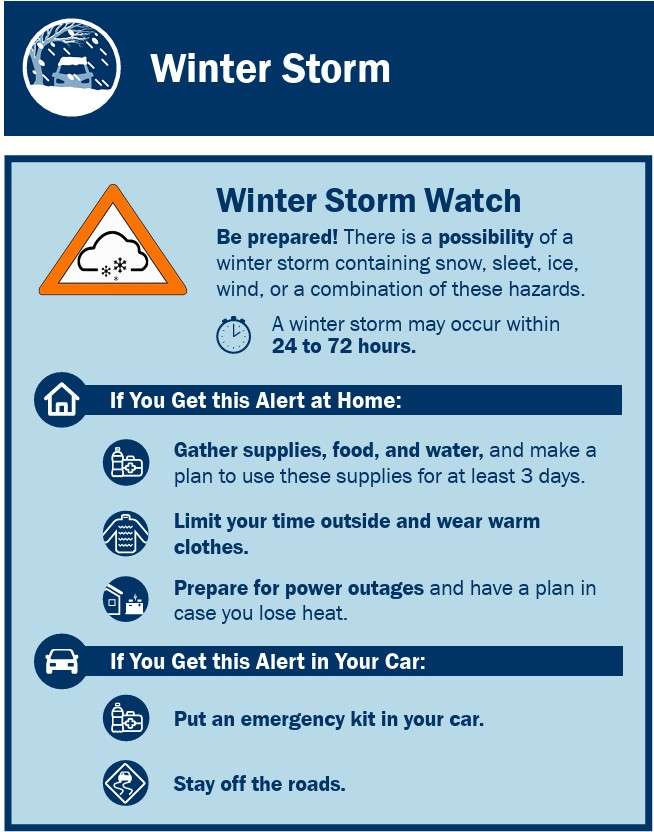
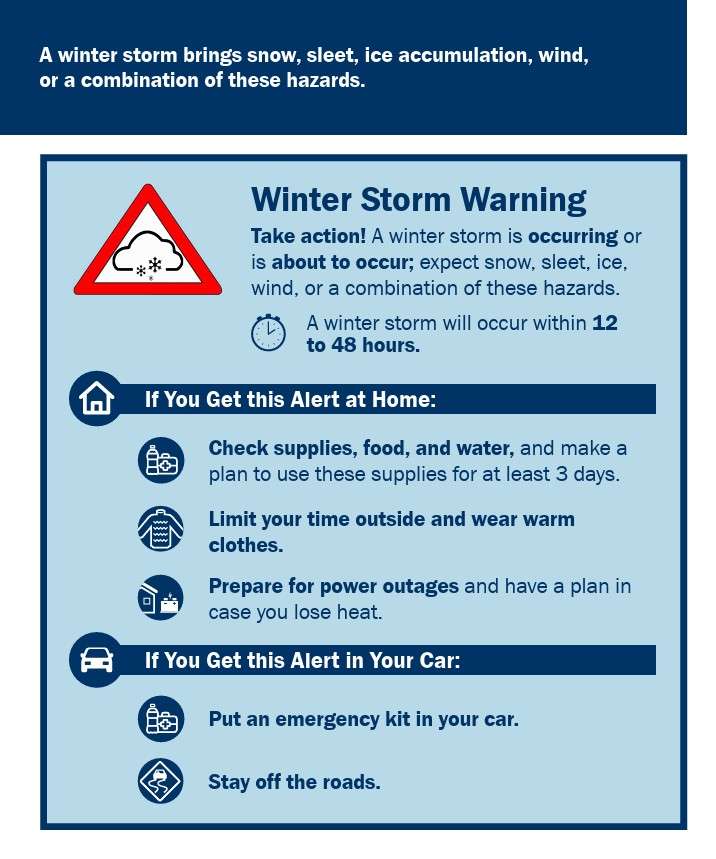
Winter storms · Frostbite · Hypothermia · Code Blue alerts
In accordance with New Jersey Code Blue Legislation, when the National Weather Service forecasts temperatures reaching 32°F or lower, the Monmouth County Sheriff's Office of Emergency Management will issue an alert to all 53 municipalities and appropriate social services agencies.
The Code Blue Alert is also shared with local media, social media outlets, and the NJ Statewide Homeless Hotline. The Code Blue Alert is generally posted before the onset of freezing temperatures.
The Code Blue Alert directs local authorities to make shelter or warming centers available for individuals who are homeless or unsheltered.
During business hours: Contact Monmouth County Division of Social Services
After hours: Contact NJ 211 or your local police department
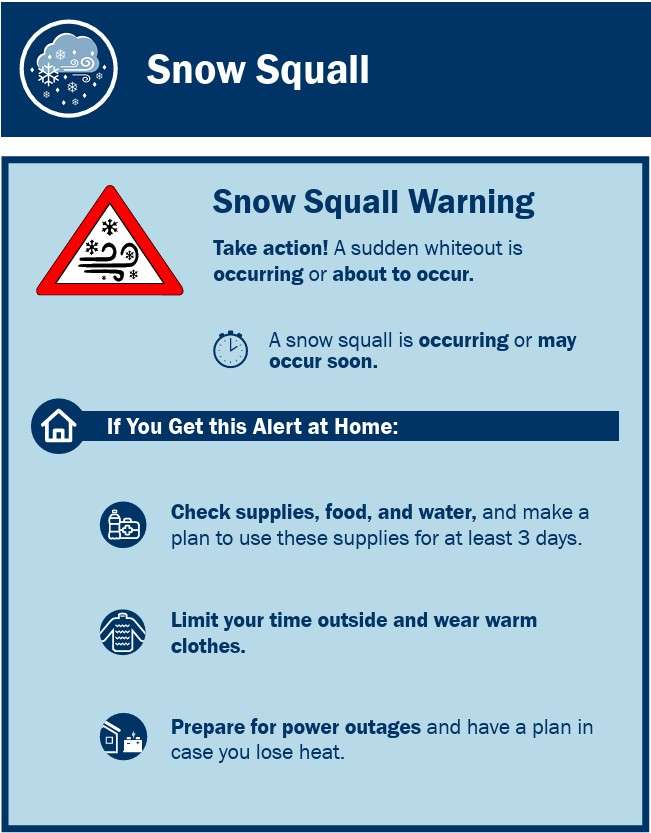
Cold weather can be deadly. When temperatures fall significantly below normal — especially when combined with wind — the risk of hypothermia and frostbite increases dramatically.
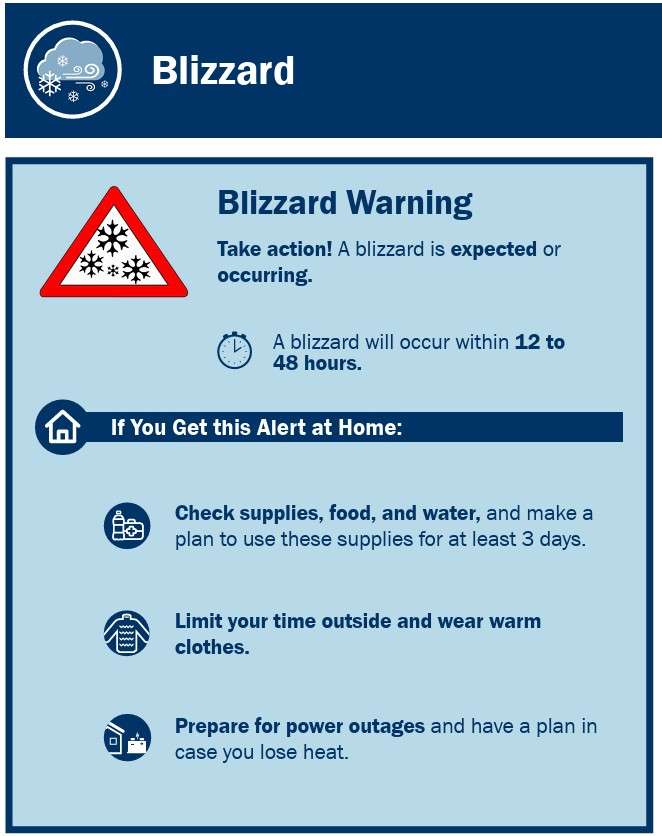
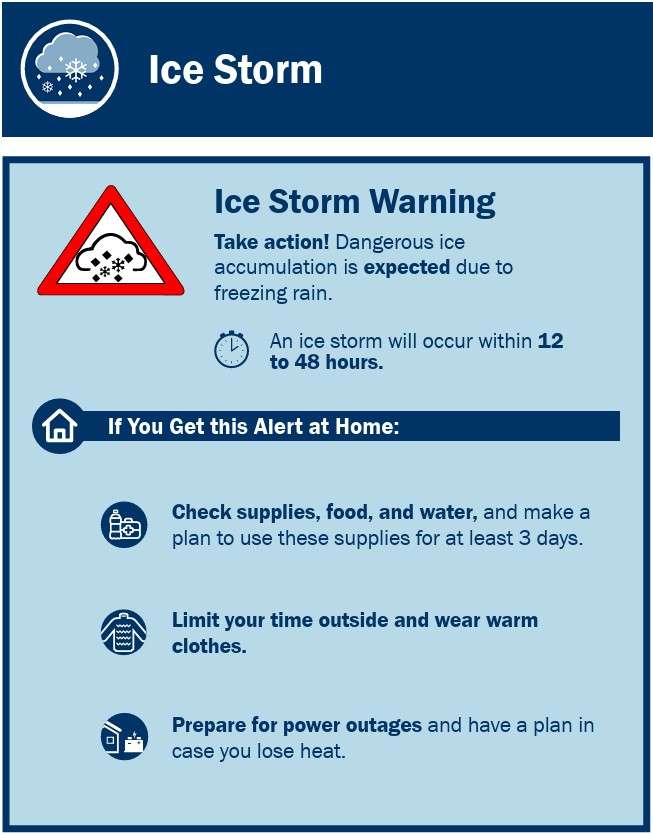
In New Jersey, extreme cold typically means sustained temperatures below freezing (32°F) with wind chills well below 0°F. Winter storms can also bring heavy snow, ice, and dangerous travel conditions.
Wind Chill measures how cold it feels on exposed skin based on temperature and wind speed. A 10°F temperature with a 20 mph wind feels like -9°F — frostbite can occur in 30 minutes or less.
Body temp below 95°F. Shivering, confusion, drowsiness, slow speech, exhaustion. Call 9-1-1. Move indoors, warm body slowly with blankets.
Skin appears white/grayish, feels firm/waxy. Most common on fingers, toes, nose, ears, cheeks. Warm gradually with warm (not hot) water. Seek medical care.
Mild form of frostbite. Skin becomes red and numb. Warm gradually — no permanent damage if treated promptly.
From prolonged exposure to wet, cold conditions. Numb, red/blue skin. Dry feet, warm gradually, seek medical care.